There is a class of graded readers that make much use of repetition in order to give learners the best chance of picking up vocabulary via their reading. This is the approach used by TPRS, Wayside Publishing, and the Old English book Osweald Bera. On re-reading Otto Bond’s Sept d’un Coup, published in 1936, I noticed that a similar technique was used, albeit more subtly, so it is not a new idea.
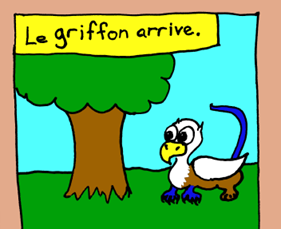
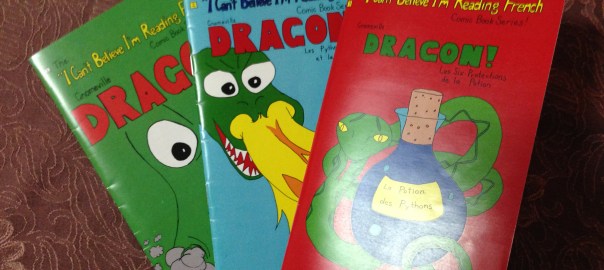
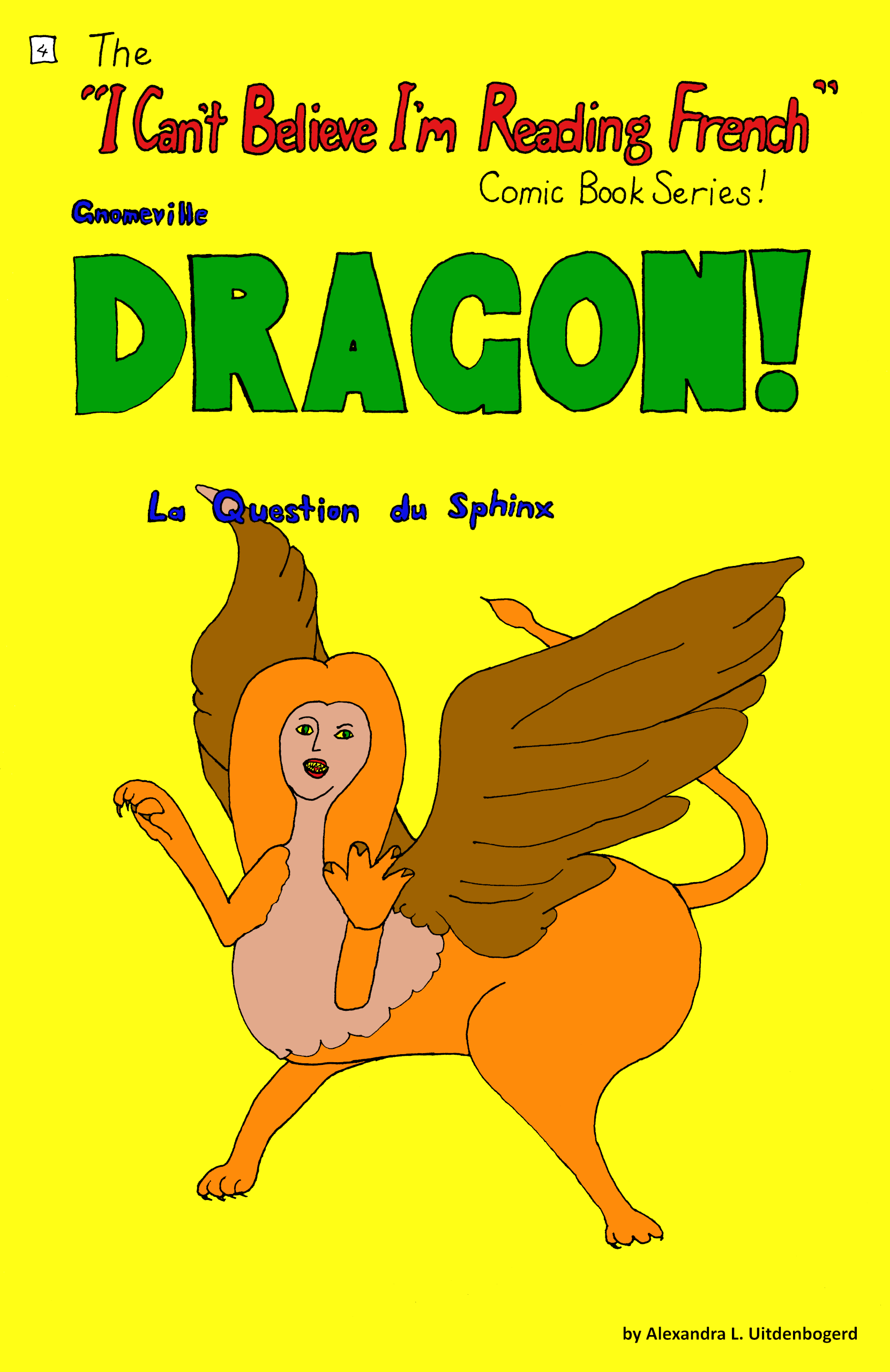
My observation of reading books with lots of repetition is that on the first read this is fine and helpful, but on rereading it becomes extra tedious. If things get too dull, the learner won’t engage. It occurs to me that my approach in the Gnomeville comics saves people from rereading unless they really want to, via their design.
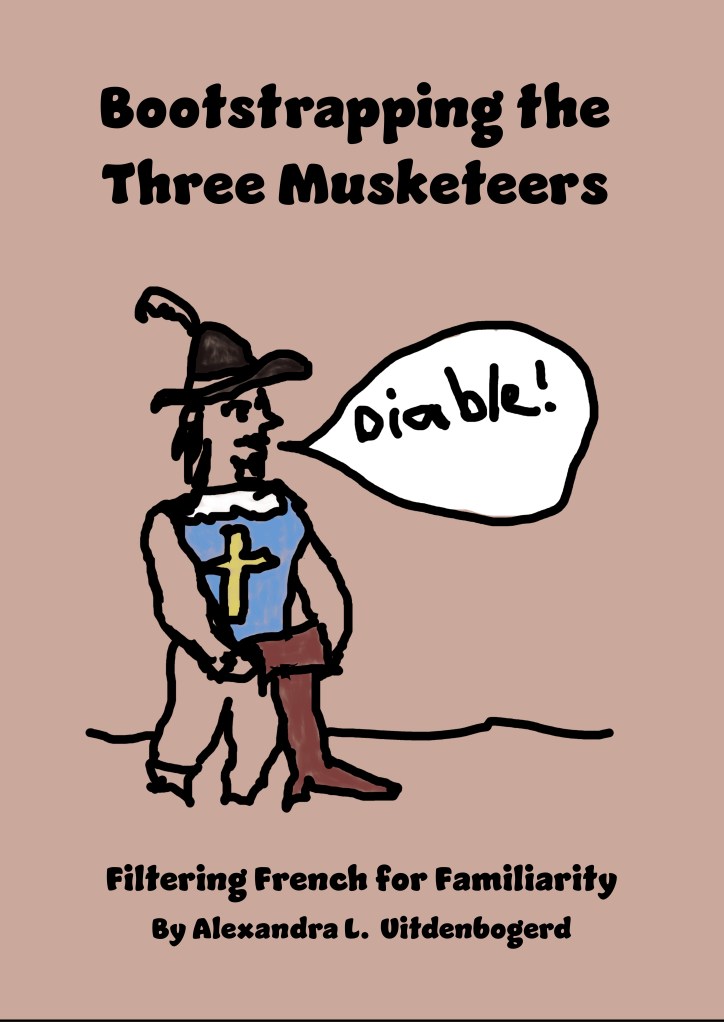
The first couple of episodes of Gnomeville are moderately repetitive, in that they are not the most repetitive French graded readers around (Bootstrapping the Three Musketeers is the most repetitive I know of, followed by Le français par la methode nature, followed by Édi l’élephant), but they are more repetitive than other books, based on analyses of the first roughly 100 words. I try to ensure at least five occurrences of each new vocabulary word in the comic but I don’t force it into the Gnomeville story. Instead, I have a separate story (La Question du Moment), which uses any words that haven’t had enough repetition yet. Then the following episode has a revision page at the start, which recaps the story so far, using all the vocabulary and grammar used so far. Learners can read this and decide whether they are familiar with everything or need to revisit the previous episode. When revisiting, learners can skip La Question with all its repetition and just reread the Gnomeville story. Or they can use some other method of checking the words that are still unfamiliar.
When rereading the first few chapters of Osweald Bera, which I do periodically because I only dip into the book occasionally in my world of many demands, commitments and distractions, I have been wishing for a summary for each chapter, which summarises the story so far and includes all the vocabulary I should have picked up from it without the additional repetition. I consider it my “homework” to create this for my own use. For languages like French, Italian, German and Spanish, there are quite a few options for reading material, so it is probably better to read something else instead of trying to reread these often long, verbose, repetitive books. For Old English, however, Osweald is the only reader of its kind, so rereading is likely to be inevitable.